
Illustrative · drawn scene, not imagery
MODEL · VISION
Design partners · partner-scopedद्रष्टाDrashta · the seer
Drashta gives machines eyes. An analyst still decides.
Drashta (द्रष्टा, “the seer”) is ShepHertz’s machine-vision family. Today it reads satellite and aerial imagery offline and finds objects of interest, such as aircraft and structures, across wide scenes — handing analysts structured findings to review. It is engaged with design partners.
How it sees
From a wide scene to a decision a person makes.
Structured findings
for review
- F-01Aircraft · grid F6awaiting review
- F-03Aircraft · grid G6awaiting review
- F-14Structure · grid F6awaiting review
- F-05Aircraft · grid G6awaiting review
- F-11Structure · grid G7awaiting review
The decision is the analyst’s. Drashta does not act on a finding.
Imagery in · offline
01 / 04
A wide scene. A few things that matter.
A satellite or aerial pass covers far more ground than an analyst can search by eye. The imagery comes in and stays in: Drashta reads it offline, on hardware you control.
02 / 04
Drashta finds the objects of interest.
It looks across the whole scene for what it is built to find today, aircraft and structures, and marks each one where it sits.
03 / 04
It hands over structured findings.
Not a verdict: a worklist. What was found, what kind of object it is, and where. The analyst reviews findings instead of searching the whole frame.
04 / 04
An analyst decides. Always.
The analyst confirms, sets aside or follows up each finding, and a named officer is in command of every decision it informs. Drashta sees; it never acts, and it is never placed in a weapons-release chain.
Where it works
Inside your perimeter, with nothing going out.
Offline
No cloud call, no connection out. It runs where the imagery already is.
Air-gapped
Built for perimeters with no route to the internet. The imagery never leaves your network.
Hardware you control
Your servers, your site. The imagery, the findings and the decisions stay inside.
Who it serves
A tool for seeing, not for acting.
Drashta serves defence and strategic users inside air-gapped perimeters. Defence and strategic specifics are not published on a web page. If you represent a defence, strategic or national-security organisation, contact us and we will take it from there, under the agreements your programme requires.
Command
A named officer is in command of every decision Drashta informs.
The line
Never placed in a weapons-release chain.
What’s next
Being built with design partnersThe same eyes, for other work.
Vision for inspection and agriculture is being built with design partners. It is not a capability today. Perception on the machine itself (on the aircraft, on the robot) is next, not now, and we will describe it only when it is real.
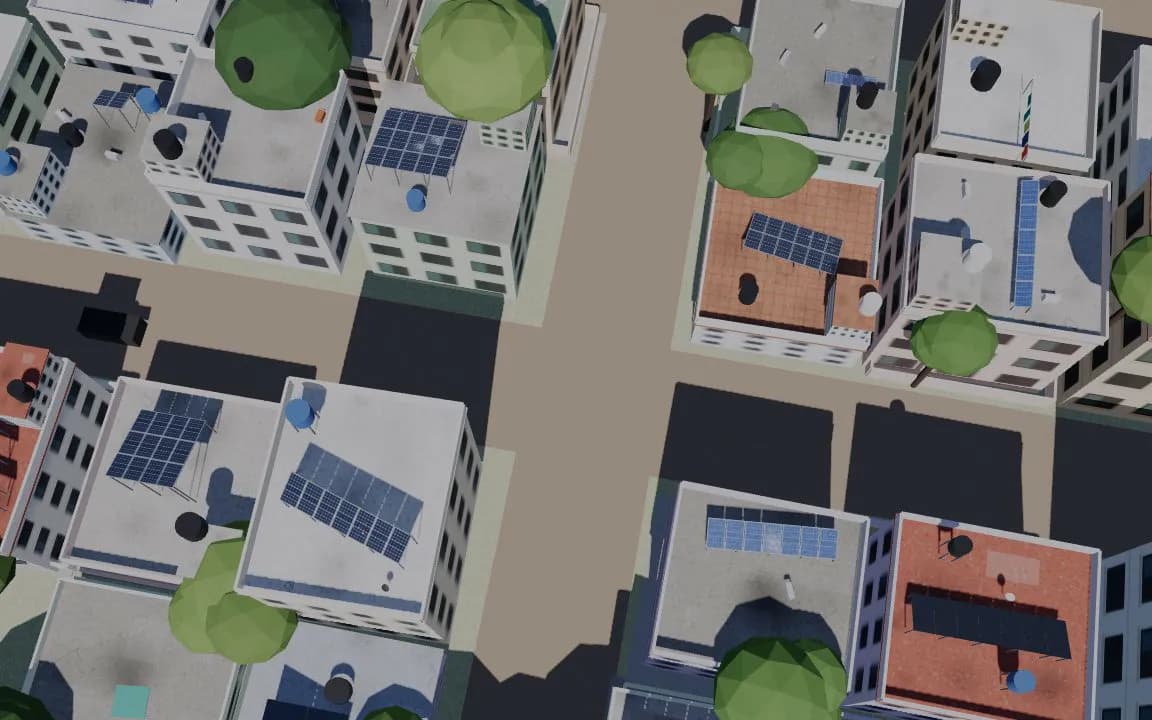
Illustrative · our own synthetic render
Inspection
Assets looked at from above, such as rooftop solar arrays, so a crew knows where to look first.
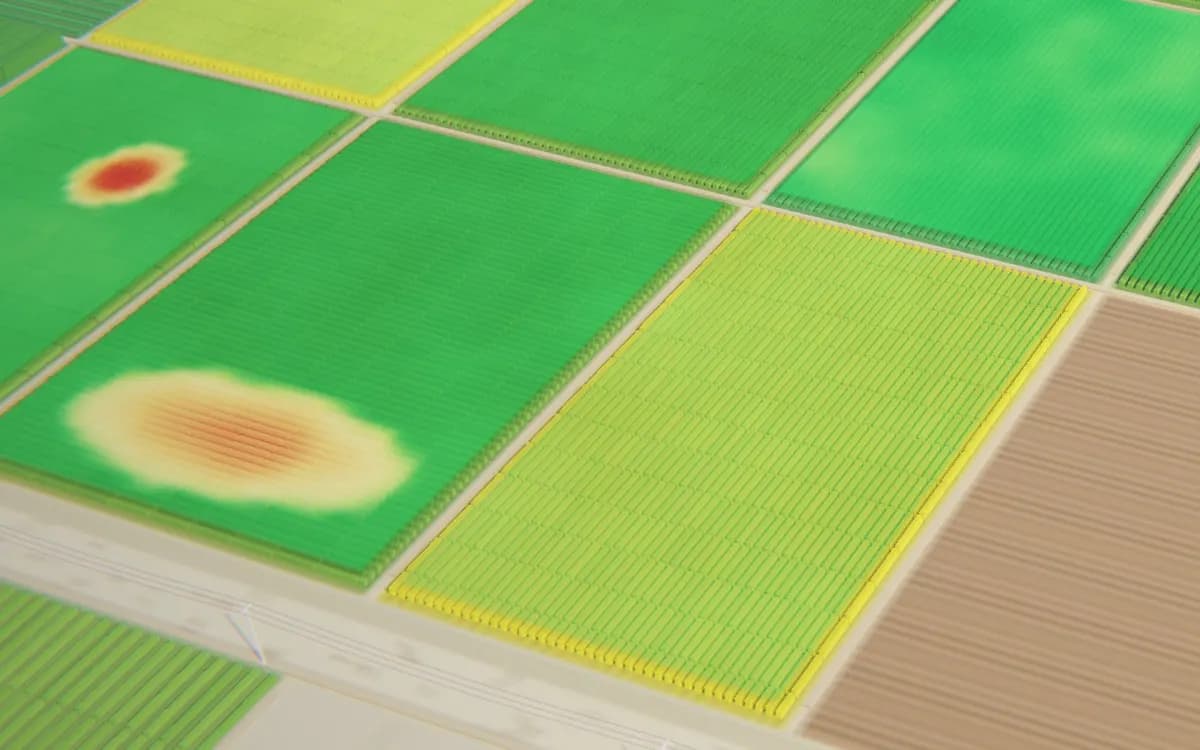
Illustrative · our own CGI
Agriculture
Fields read from above, season after season, so attention goes where the crop needs it.
The family
Three families that work together.

Sees · you are here
Drashtaद्रष्टा
Gives machines eyes. An analyst still decides.
Related: Kavach, policy enforced outside the model.
FAQ
Frequently asked questions.
- What is Drashta?
- Drashta (द्रष्टा, “the seer”) is ShepHertz’s machine-vision family. Today it reads satellite and aerial imagery offline and finds objects of interest, such as aircraft and structures, handing analysts structured findings to review. It is engaged with design partners.
- Is Drashta used to select or engage targets?
- No. Drashta hands structured findings to a human analyst, and a named officer is in command of every decision. It is never placed in a weapons-release chain.
- Does Drashta need the internet or a cloud connection?
- No. It runs offline, inside air-gapped perimeters, on hardware the customer controls. The imagery never leaves the network.
- What is Drashta being built for next?
- Vision for inspection and agriculture, with design partners. Perception on the machine itself is next on the roadmap, not a capability today.
- How does Drashta relate to Tatva and Sanjaya?
- They are three families of one portfolio. Tatva turns plain language into exactly one machine command; Drashta is vision; Sanjaya is fleet and telemetry intelligence.
Engage on Drashta.
Drashta is engaged with design partners. If you represent a defence or strategic organisation, or you want vision for inspection or agriculture, contact us.